In the Heart of the Andes, a Quiet Kind of Healing: A Photographer’s Journal
A personal loss led Donnie to look for a shift in perspective, and toward Nomadic Road’s Bolivia Expedition. The journey gave her the space she needed, a supportive team, surreal landscapes, and time with Terri, her “partner on many far-flung adventures.” What follows is Donnie’s experience, told entirely through her own words and images.
I was in the depths of sadness, trying to crawl my way out. Cancer had made its way into our home, and after 15 months of fighting this beast, it claimed the life of my husband. I needed a change of scenery, far from my everyday life.
It was no coincidence that Nomadic Road’s ads kept popping up in my Instagram feeds. Travel has always been my passion, so without hesitation, I checked out their website, where the Andean Plateau expedition piqued my curiosity. As a freelance photographer, I typically travel to tell stories through photography. Would this excursion meet those goals? What if I travelled solo, would there be someone to help with the driving? I posed these questions to Venky, the founder of Nomadic Road, in our initial phone call. Not only were my concerns addressed, but before the call ended, Venky, with his persuasive powers, made it clear that I would be joining the expedition.
I reached out to Terri, my partner on many far-flung adventures and a fellow photographer, to see if she would be up for the trip. Her resounding response was, “I love to drive, let’s do it.” And just like that, we were busy with airline reservations, visa applications, and most importantly, putting together our snack list.
We made a good team. Terri’s “get out of my way” attitude would prove very useful in tackling the city driving, where I would have been paralysed with fear trying to weave in and out of traffic, dodging street vendors and locals darting into the street. I’m much more of a pokey driver, often with my eyes not on the road, looking left and right for possible photo opportunities. A slower pace on the gravel and dirt roads suited me to a tee.
We landed in Santa Cruz at the ungodly hour of 4 am, then hassled our way through customs, and headed to the hotel. Later in the day, we would meet our group, which included Jesper and Rene, friends from Denmark, Ezad, a gentleman from Malaysia driving solo, and Brigette and Federico, a couple from Dubai, on their 3rd expedition with Nomadic Road. Local guides Remi and Mau, Arthur, a videographer from France, and our much-needed mechanic, Rowan, rounded out our band of warriors, led by Venky. A feeling of goodwill among us was beginning to percolate.
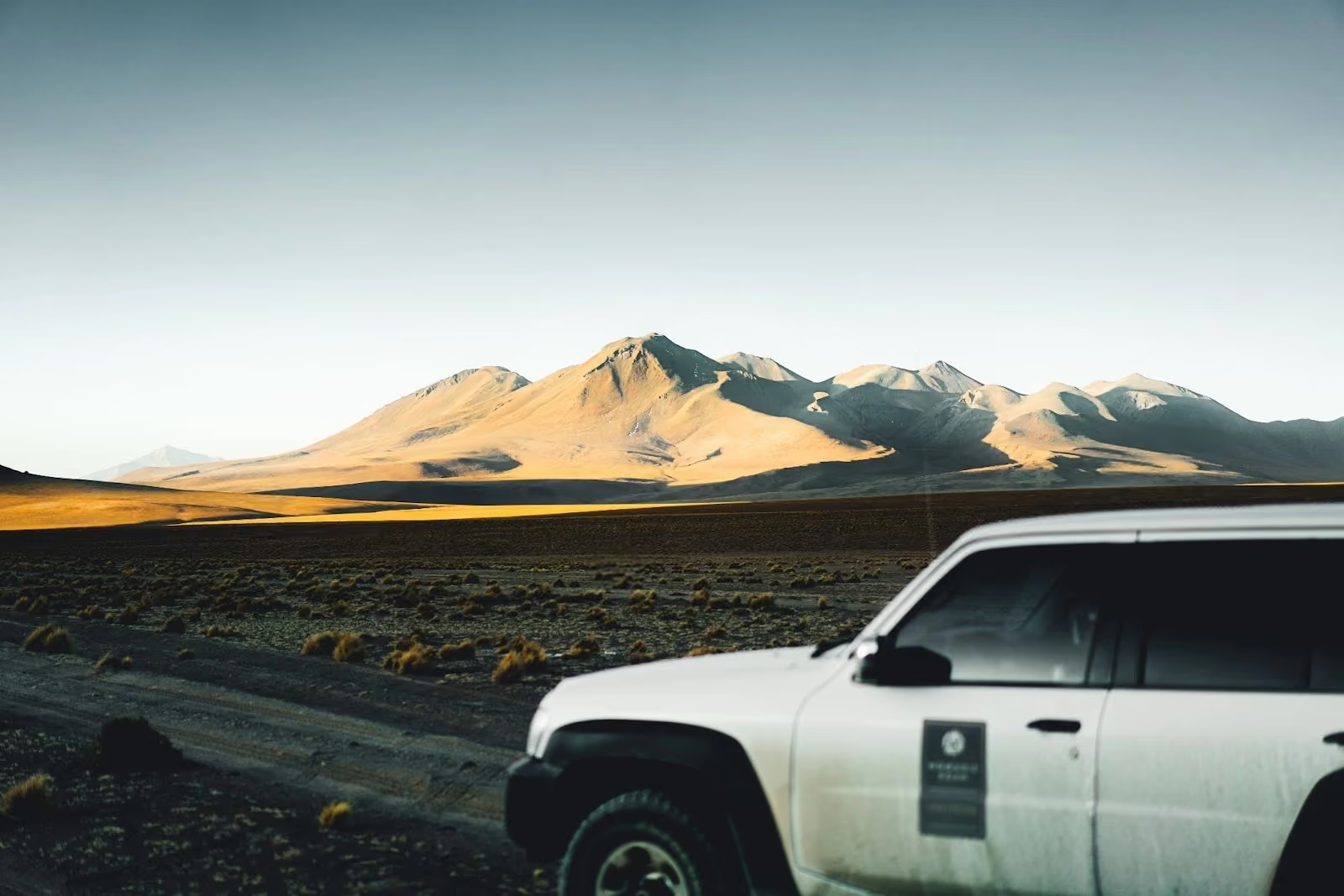
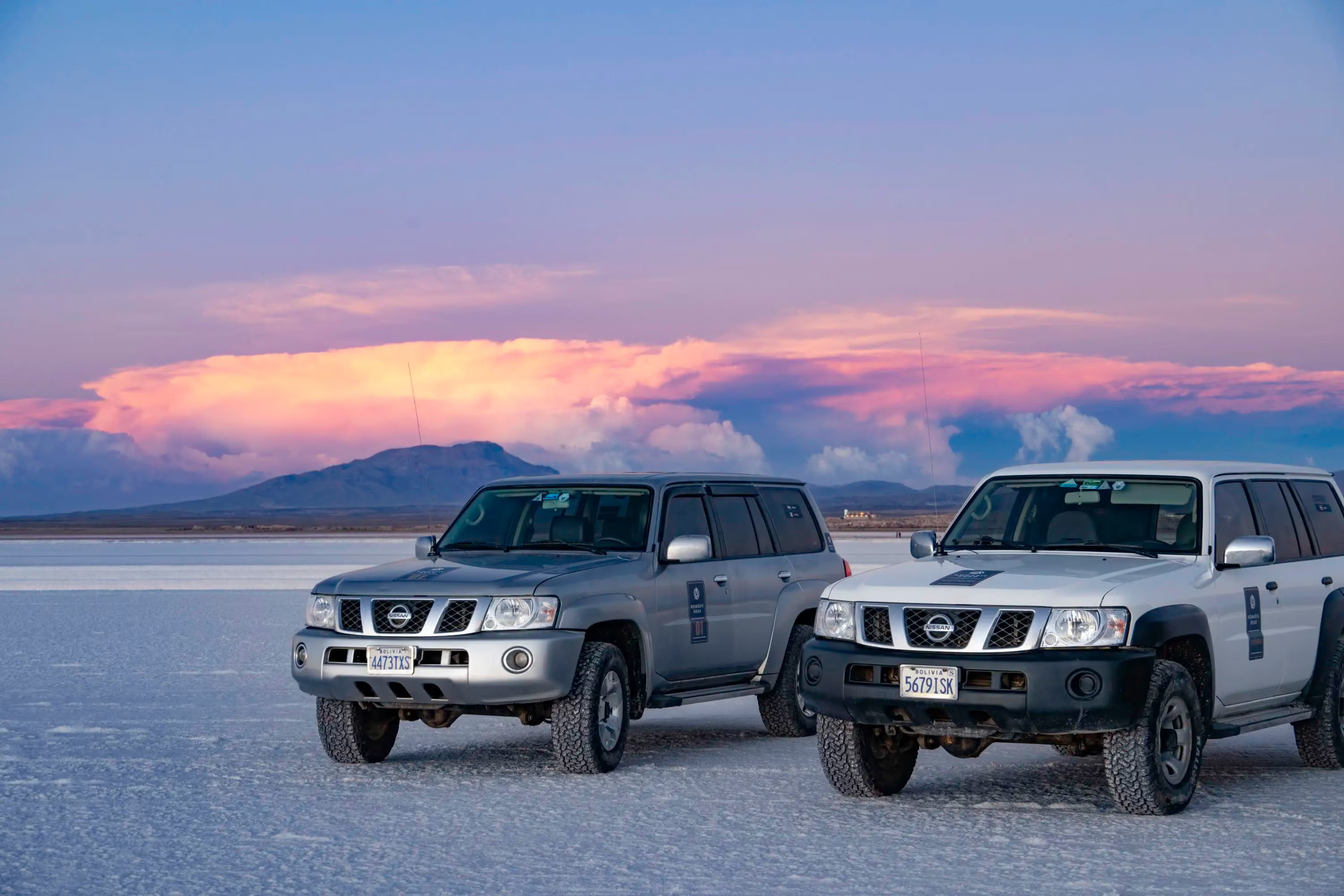
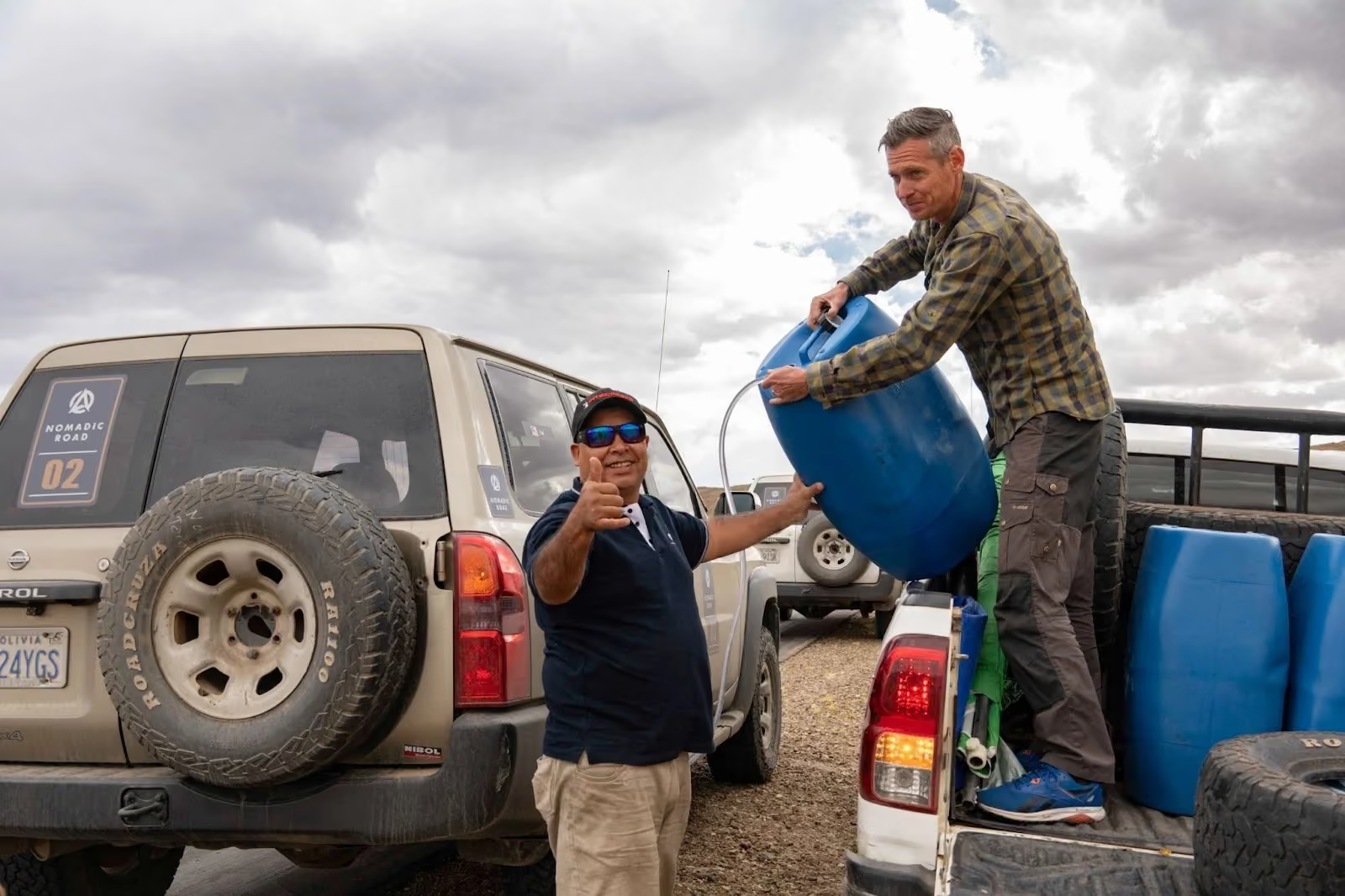
Leaving Santa Cruz on day one in our Nissan Patrol vehicles, the reality of life in Bolivia was unfolding before our eyes. There was a gas and diesel shortage, apparently the result of a corrupt government. Throughout our trip, we would see extensive lines of driverless cars and commercial trucks in a queue. Remi said the locals leave their cars, go home, and come back when they know gas will be available. We couldn’t help but wonder how our trip might be impacted. We were carrying extra fuel, but not enough for the entire journey. The crew (aka the boys) often went out in the dark of night, finding fuel on the black market to keep us moving.
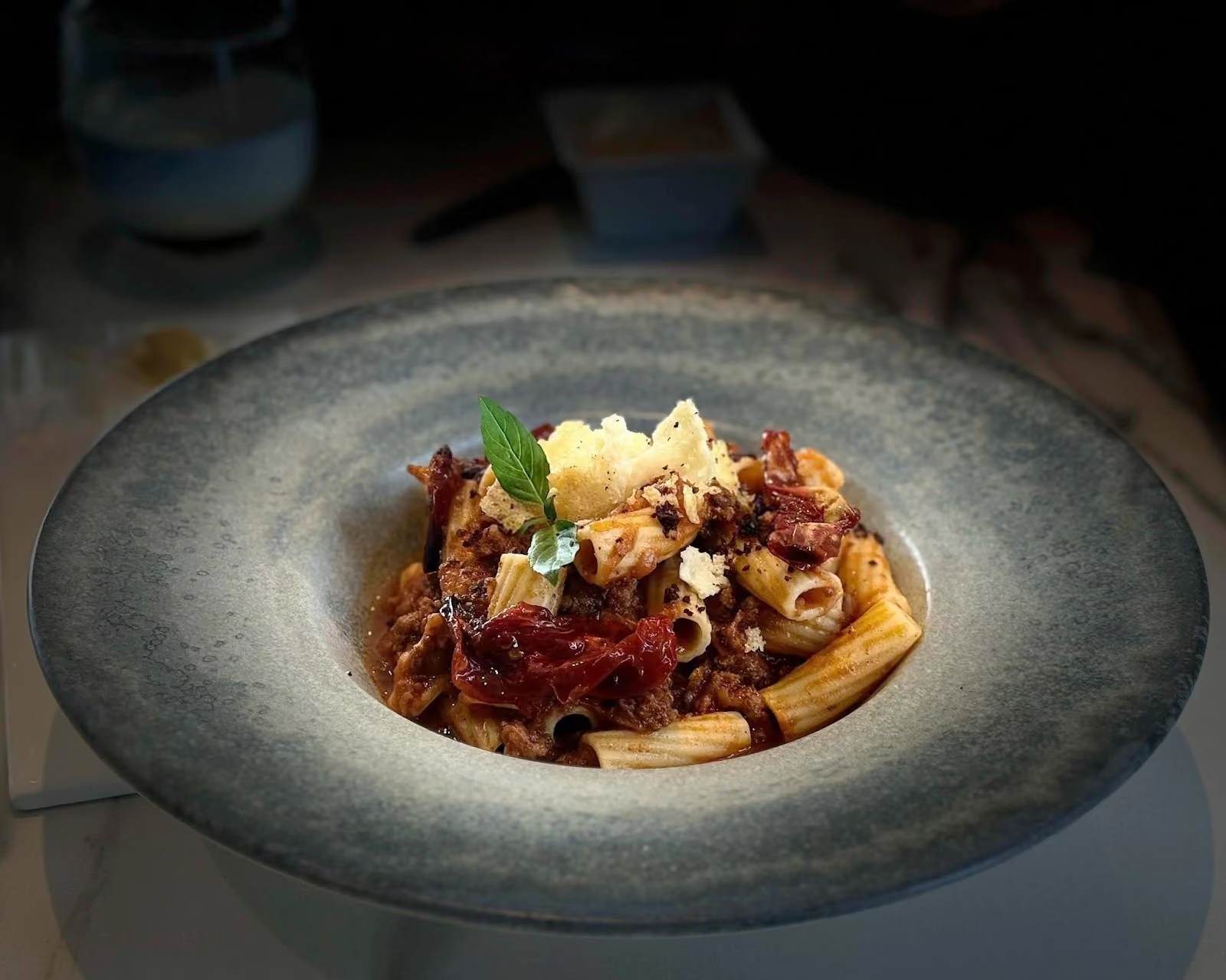
The highlight of this journey would be crossing the world’s largest salt flat, Salar de Uyuni, nine days into the trip. Yet every day, beyond the driving, revealed its own highlights, anything but ordinary. Or predictable. On our first day out, we were treated to a five-course tasting menu at the trendy Casa Charo Restaurant. The taste and presentation, showcasing regional produce, deserved a five-star Michelin rating.
Our lodging for the night, El Pueblito Hotel, oozed charm, complete with peacocks roaming the grounds, sometimes displaying their showy feathers. As we gathered for pre-dinner drinks under the stars, everything about our band of travellers felt right, as though fate had crafted the perfect family for the journey.
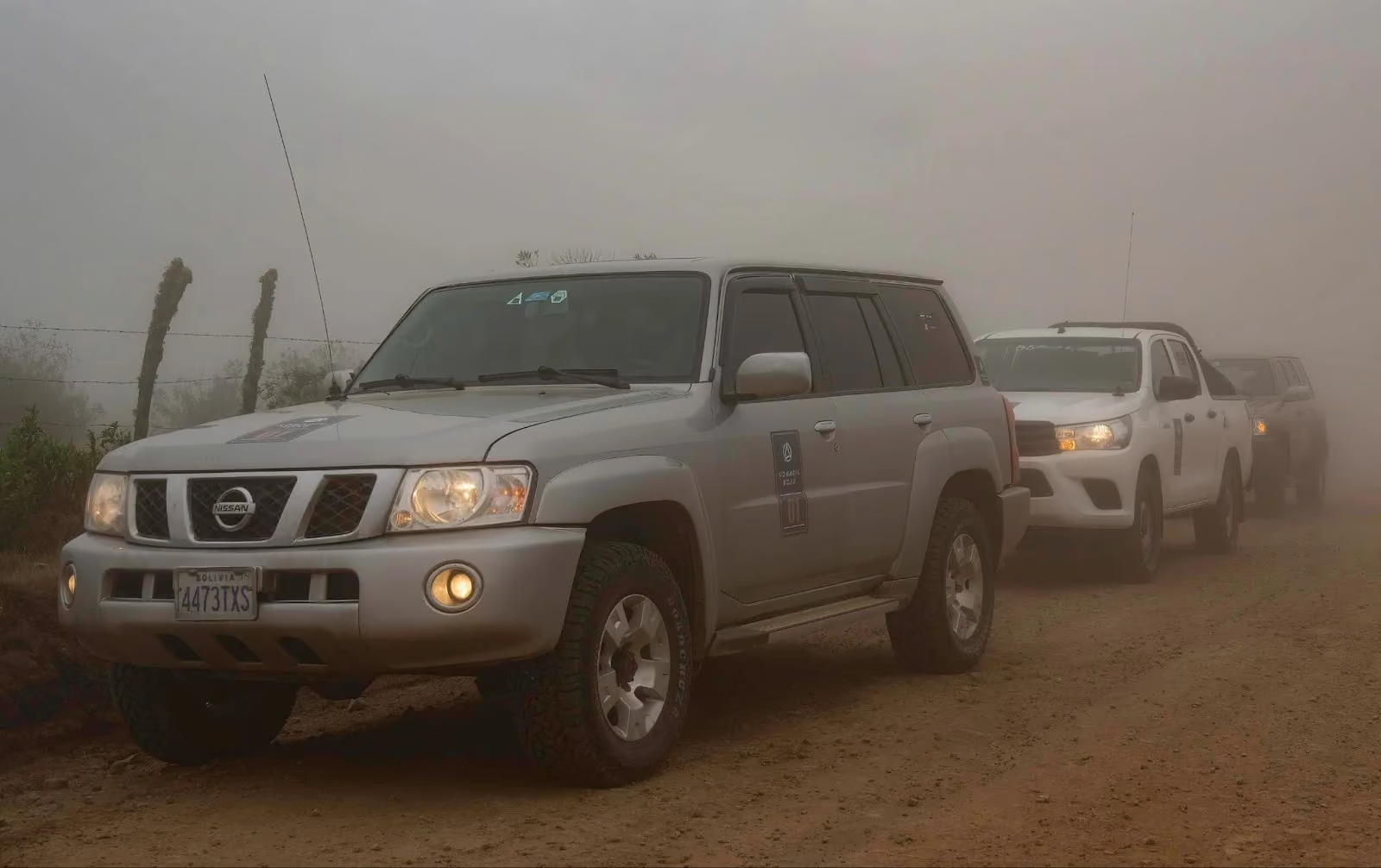
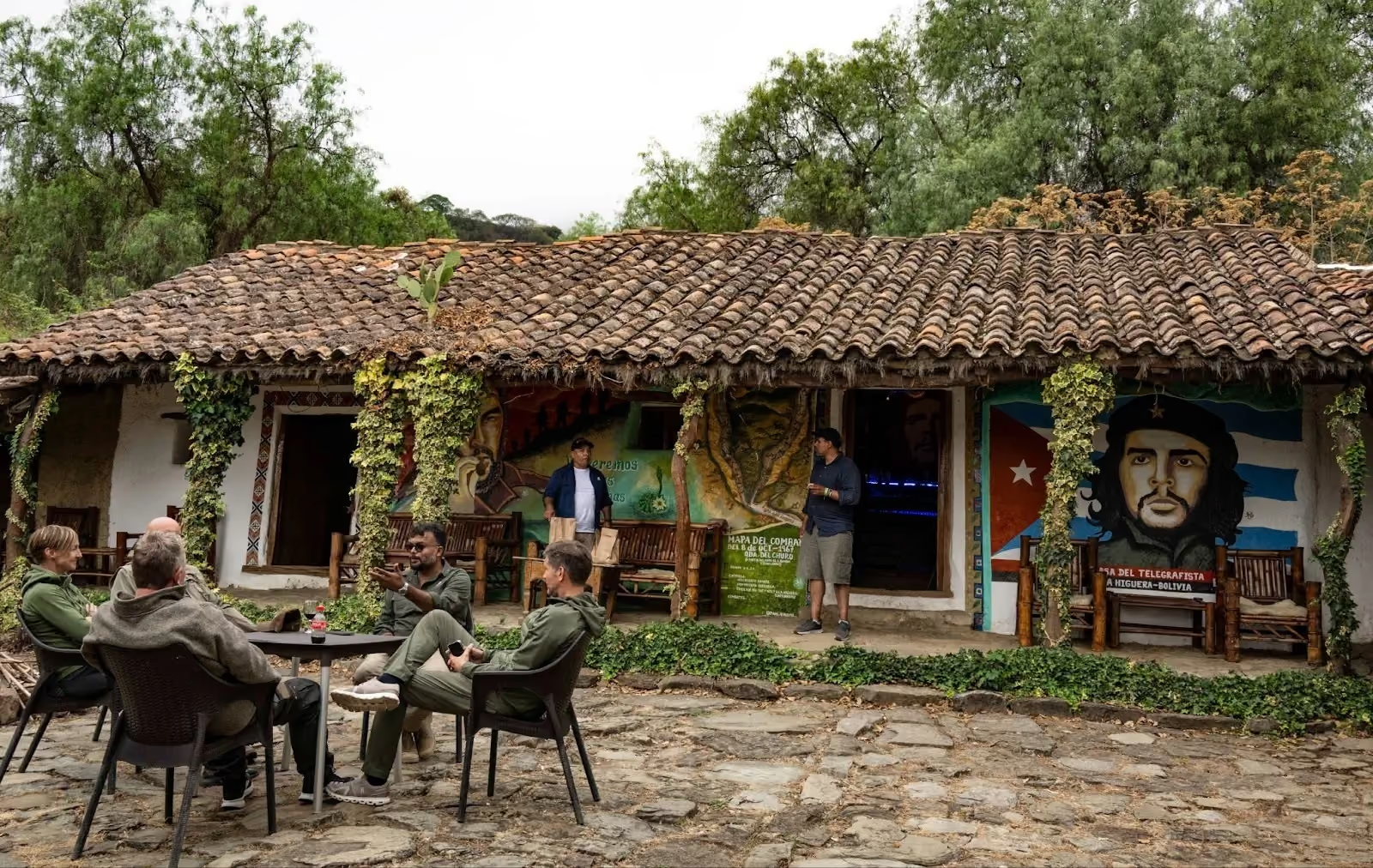
On our second day, we encountered a fog-draped gravel road, leaving us with near-zero visibility. This was not my idea of having a good time behind the wheel. The destination was the historic village of La Higuera, where Marxist guerrilla Che Guevara was captured and killed. The town, a cluster of stucco houses, many painted with images of Che, was nearly abandoned. We settled into Casa Del Telegrafista, a simple hostel frequented by backpackers following Che’s trail through the mountains. We paid a visit to the schoolhouse where he met his death, which is now a small museum.
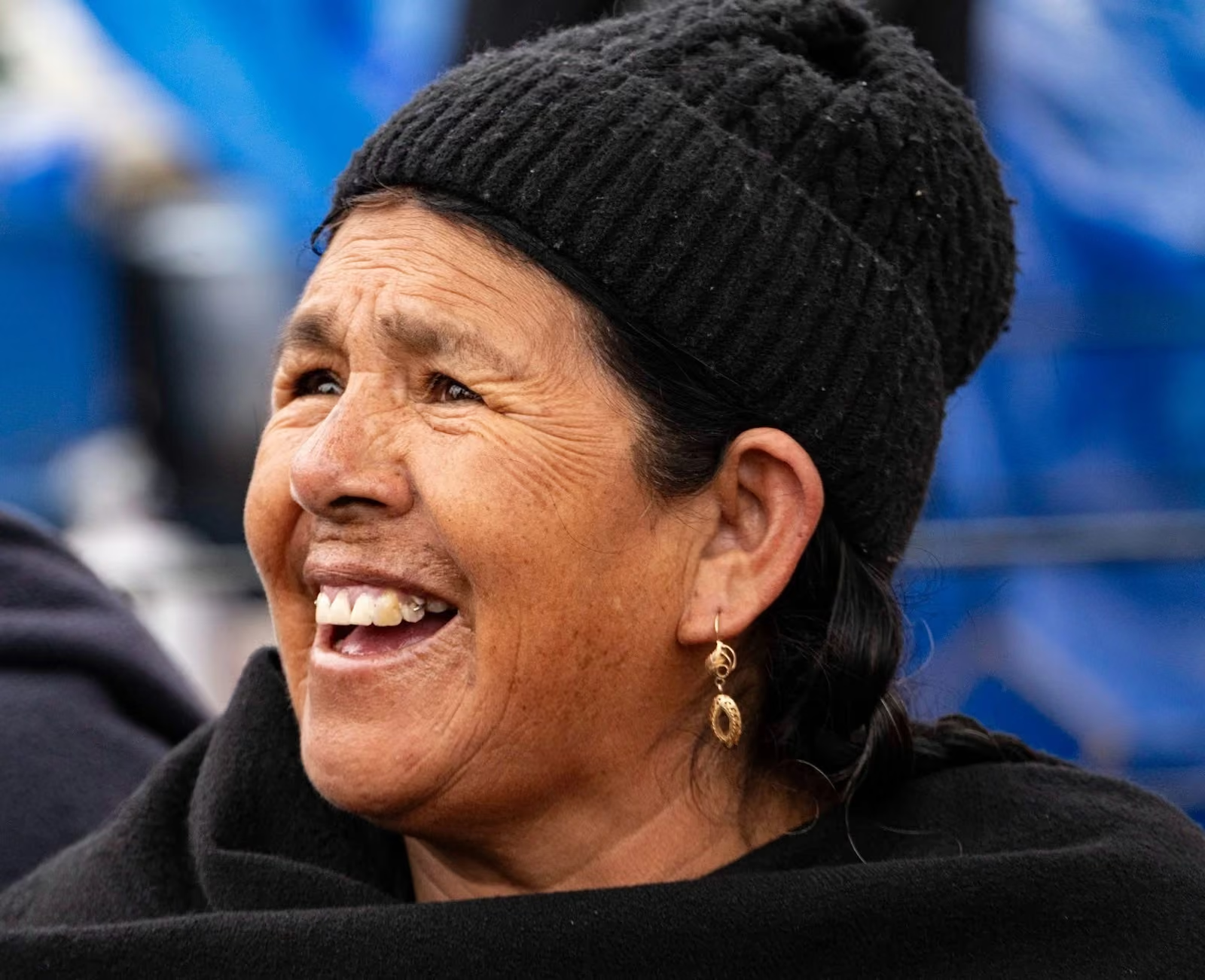
We continued towards Sucre, the constitutional capital of Bolivia and home to the country’s judicial power. A short detour for shopping led us to the village of Tarabuco. The main square was overflowing with locals celebrating a patron saint with music and dancing. Life in Bolivia can be very difficult, especially in rural areas, yet I was witnessing so much joy on the faces of these people. Here was my life lesson: Finding gratitude regardless of one’s circumstances.
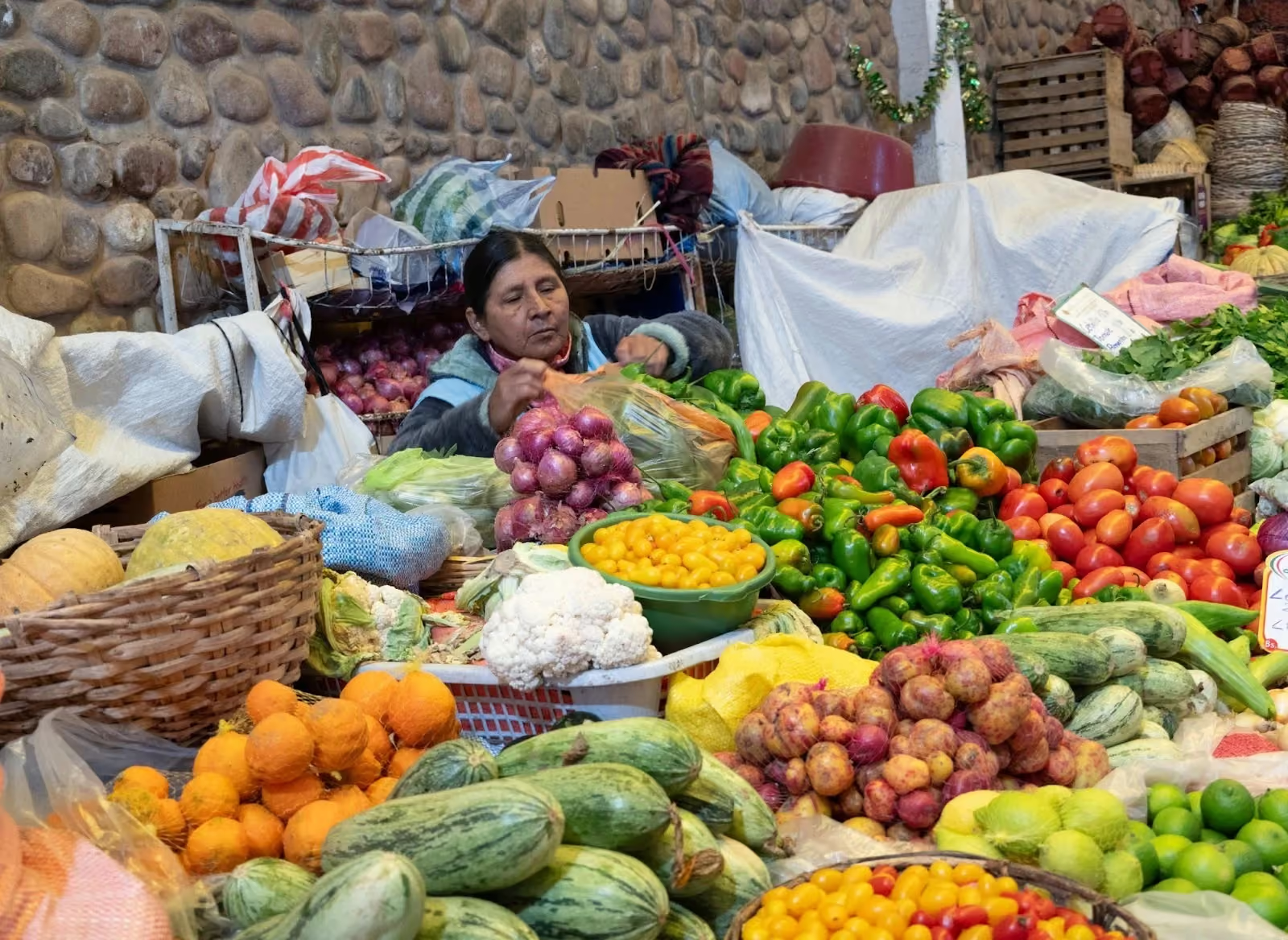
Sucre, originally colonised by the Spanish in 1538, is today a UNESCO World Heritage Site. After settling into our lodging and having yet another gourmet meal, we opted for a late-evening walk that led us to a central square with beautifully lit colonial buildings. The following morning, we took time to explore Sucre’s colourful markets, chock-full of spices, locally grown produce, household goods, and fresh chicken and beef cuts, before heading out on the road.
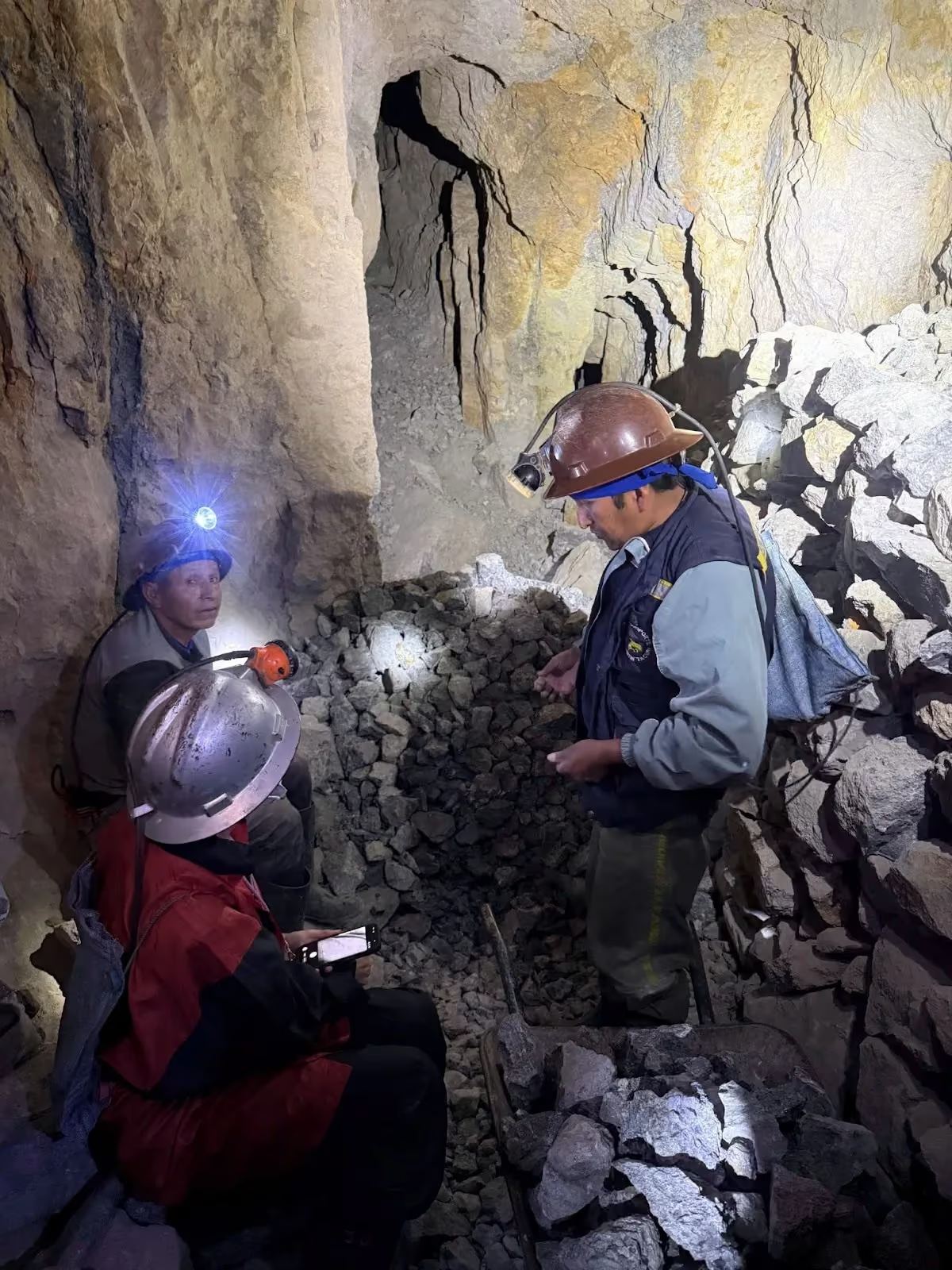
A four-hour drive brought us to Potosí, home to Cerro Rico, which was once the largest silver mine in the world. Today, some 16,000 miners continue to work the mine, labouring with picks, shovels, and wheelbarrows to bring the rock to the surface. We all jumped at the chance to tour the mine, but not before we were outfitted with rubber boots, a helmet with a headlamp, and protective coveralls. As we worked our way through the dark tunnels, frequently banging our heads on the low ceilings, it occurred to me, what if the mine collapsed? Yet here we were, blindly bumping along, coming to a rest stop at a Pachamama altar. Our guide, formerly a miner, gave a short talk, then passed around a beer so we could all take a swig before he offered a blessing for each of us.
Except for fuel issues, there wasn’t a wrinkle on the journey until our seventh and longest day of driving. Four hours on the gravel and dirt roads brought us to a peaceful location next to a lake, where the boys set up a scrumptious hot lunch. Terri was busy flying her drone over the lake when, for unknown reasons, it fell into the water and drowned, much to her dismay. Then, late afternoon, miles from nowhere, the axle broke on Ezad’s SUV. There was no choice but to unload the gear and Ezad into other vehicles, then continue to the lodge well after sunset. While most of us dined by candlelight on llama steaks, the boys were busy hatching a plan to get the SUV towed to the nearest town and secure a new ride for the group.
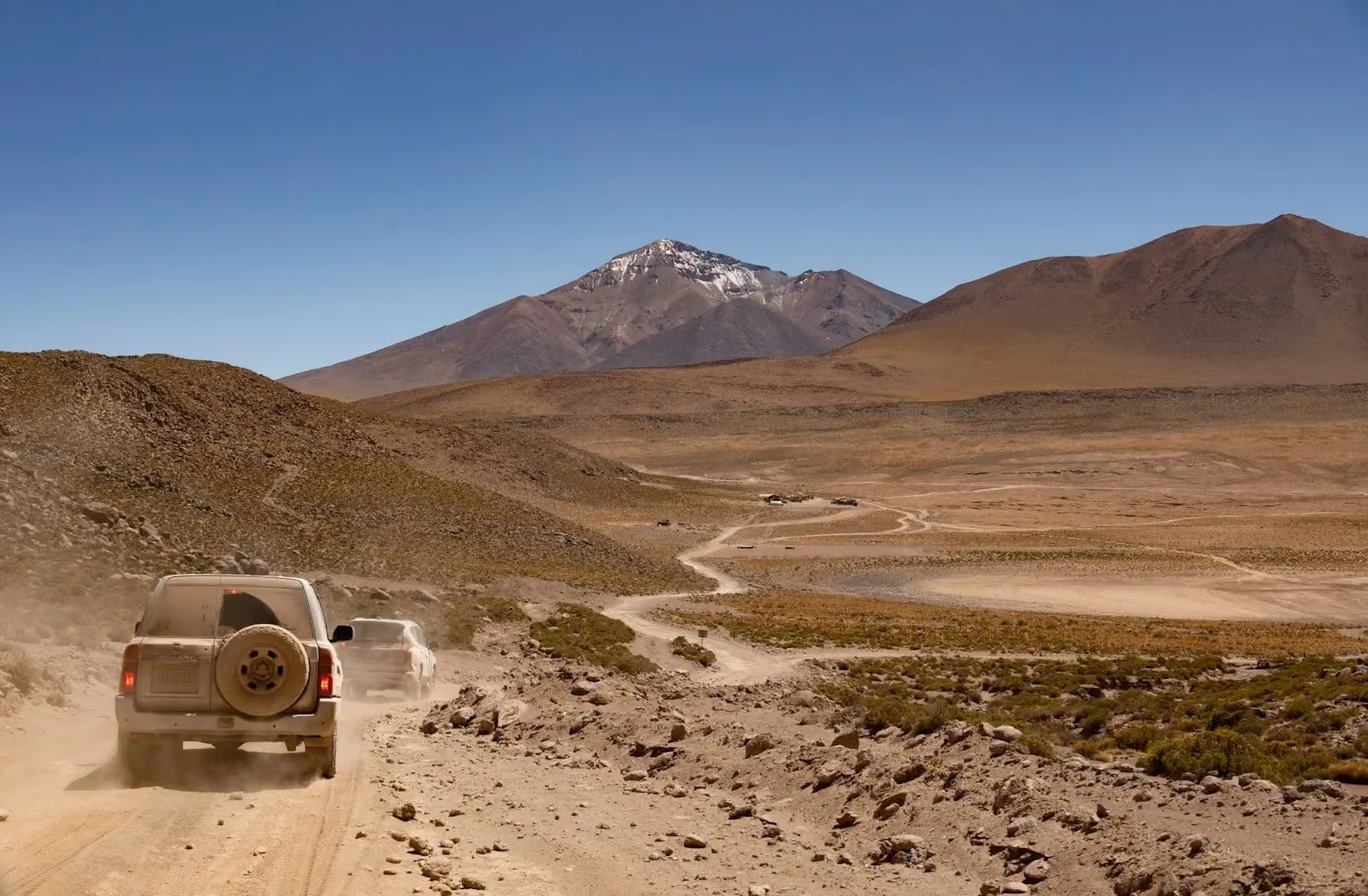
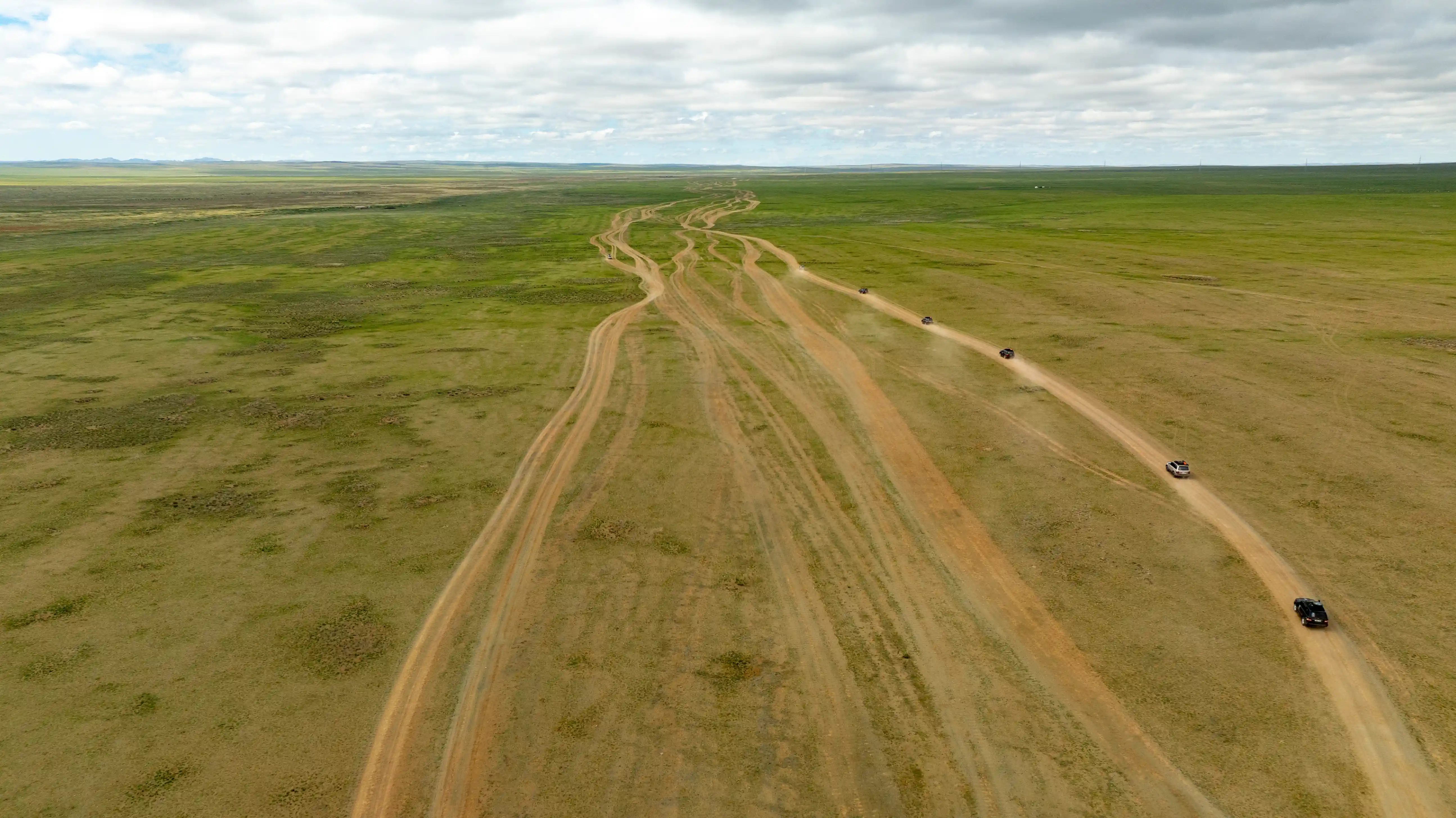
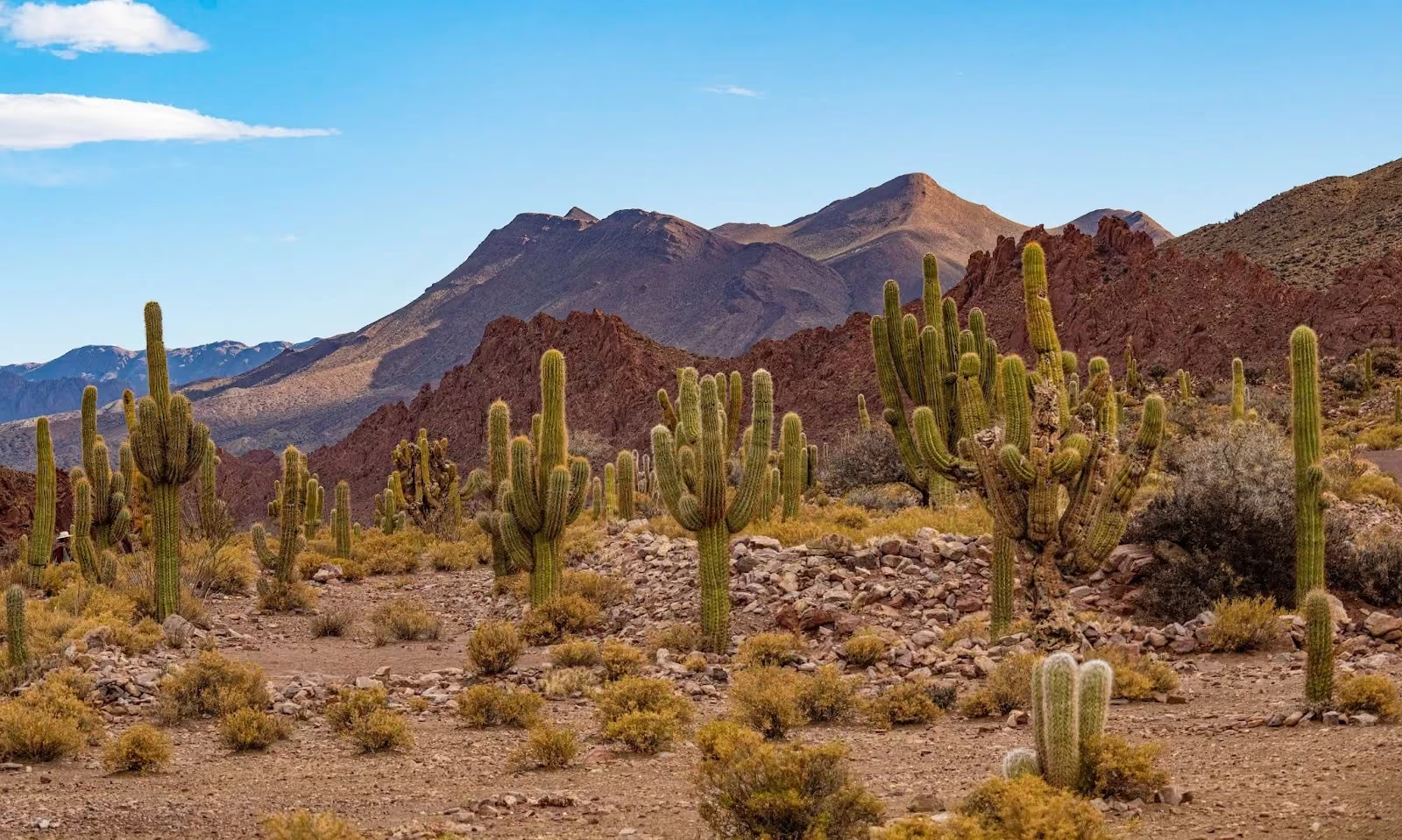
We journeyed on, weaving our way through potholes, dodging boulders, splashing through mudholes, and very often eating the dust of the vehicle ahead of us. We would pass through the Eduardo Avaroa National Reserve, a high-altitude desert with its ever-changing landscapes of volcanoes, multi-colored lakes teeming with flamingos, and alien rock formations. By now, camaraderie had reached an all-time high. We laughed ourselves silly with bad jokes, cussed like salty sailors, indulged in copious quantities of wine, and shared everyone’s cache of junk food.
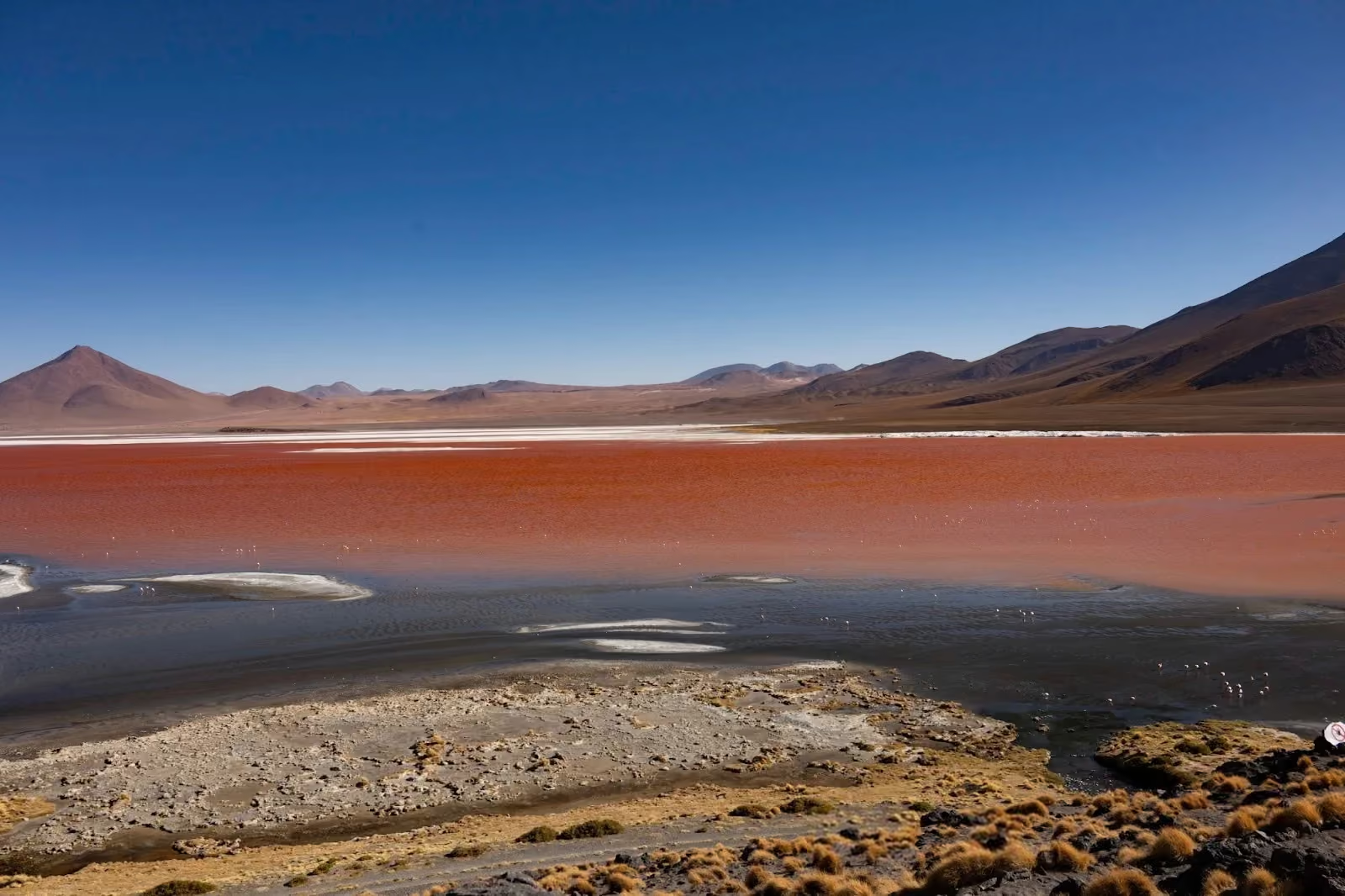
Anticipation of reaching Salar de Uyuni was on our minds. The salt flats are the result of prehistoric lakes that evaporated long ago. It is estimated that there are 10 billion tons of salt on this terrain. The salt pans are mined for table salt, yet beneath the salt lies approximately 70% of the world’s lithium reserves. There is now a robust industry devoted to extracting this light metal, which is in high demand worldwide for powering laptops, smartphones, and electric cars.
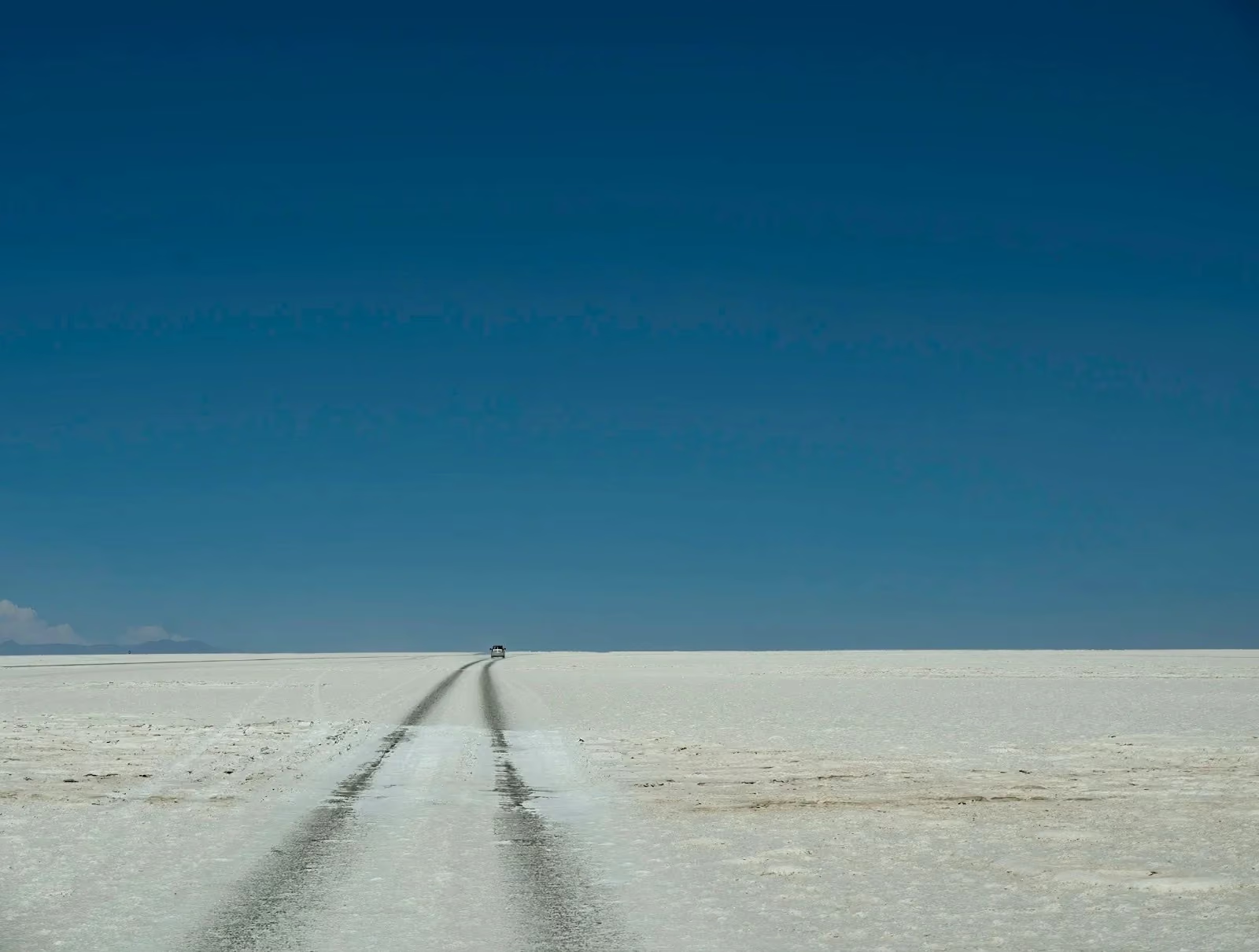
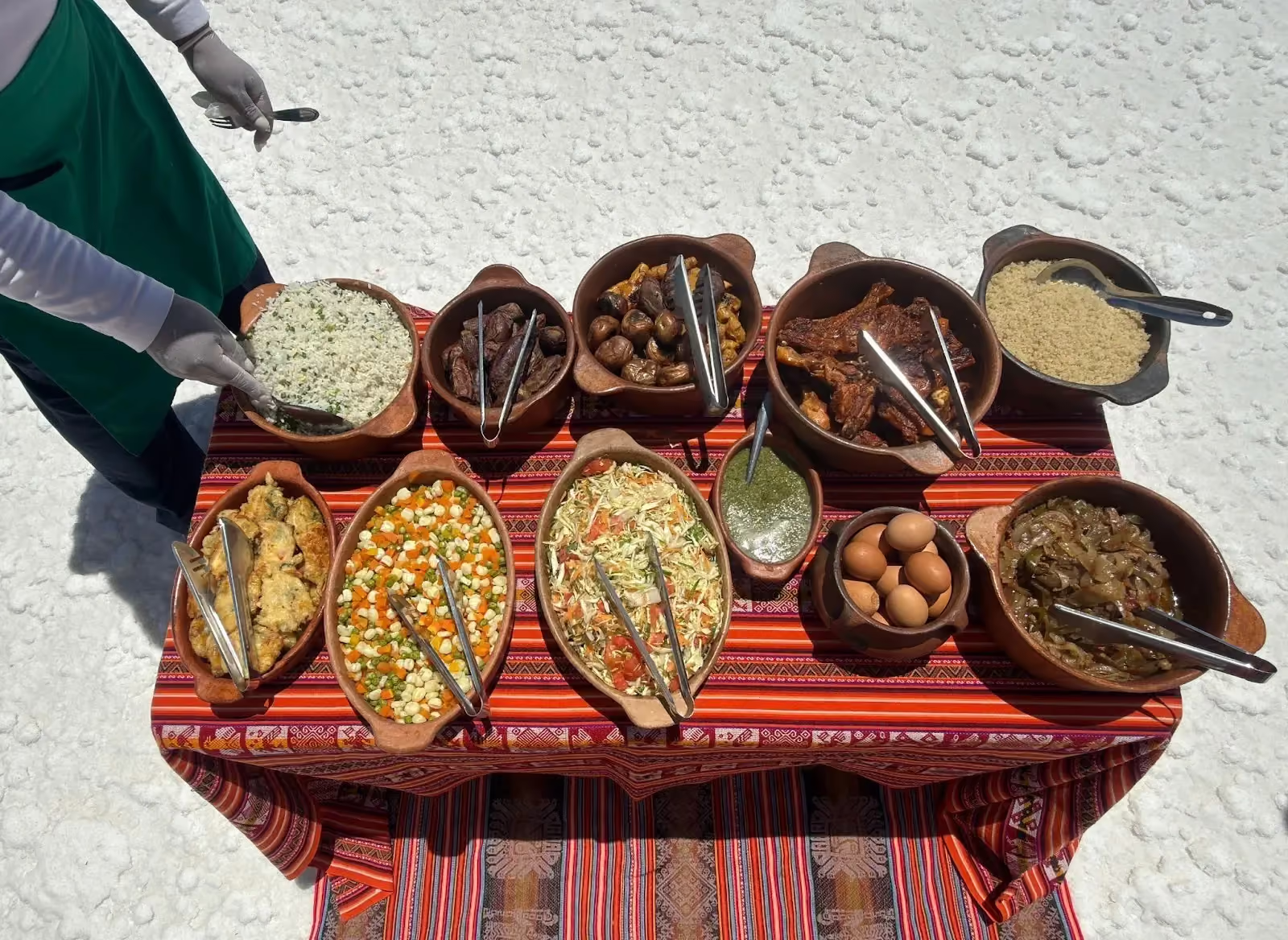
Nine days into our expedition, we reached the blindingly white expanse of salt stretched as far as the eye could see. Here was the opportunity to put metal to the pedal and let ‘er rip. We would pass each other in wild exhilaration like kids in go-karts. Venky was leading us to something in the distance, which, as we got closer, turned out to be a Moroccan-style setup for a delectable, catered hot lunch.
We later checked into Crystal Samana, a one-of-a-kind hotel made entirely of salt blocks. After a short rest, we headed back to the salt flats for sunset, staying well after dark to watch the Milky Way make its grand appearance. I was feeling a sense of wonder at how amazing this world can be. Whatever sadness I had brought with me had dissipated.
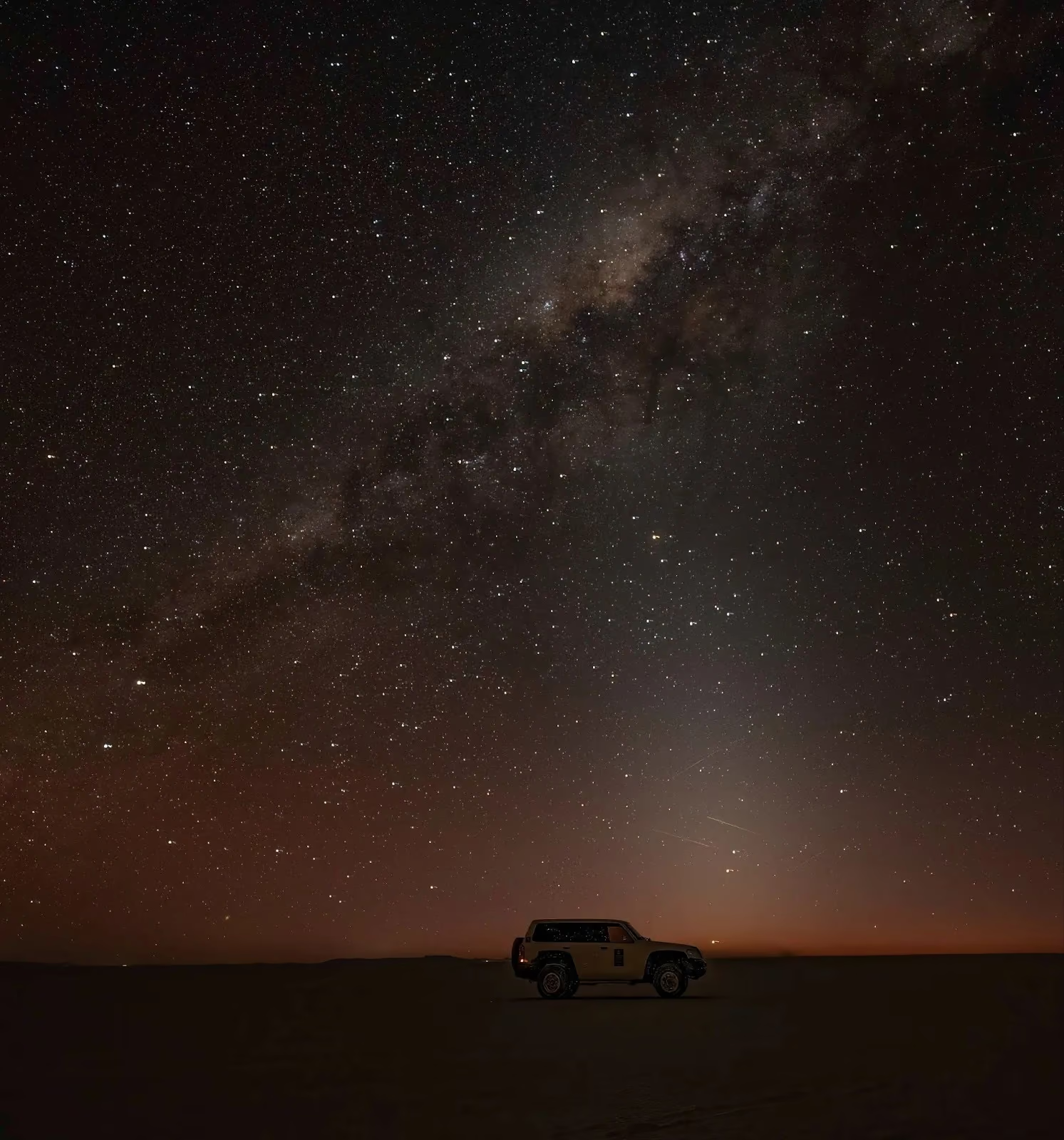
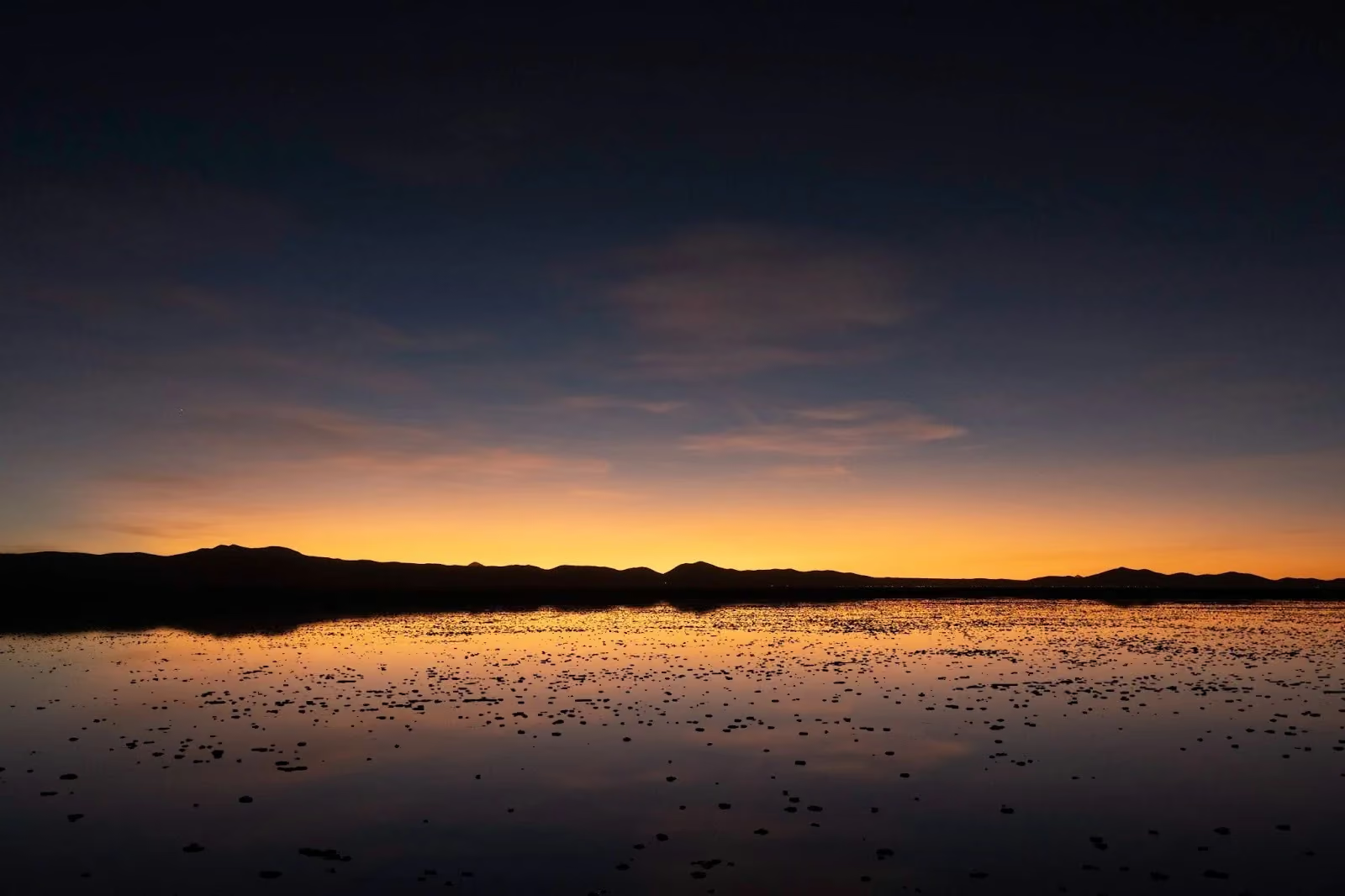
Our time on the salt flats wasn’t over, we drove out early the following morning to catch the sunrise. But this time, there was a thin layer of water covering the salt, giving us mirror-like reflections to play with, a photographer’s dream. The wow factor was off the scales.
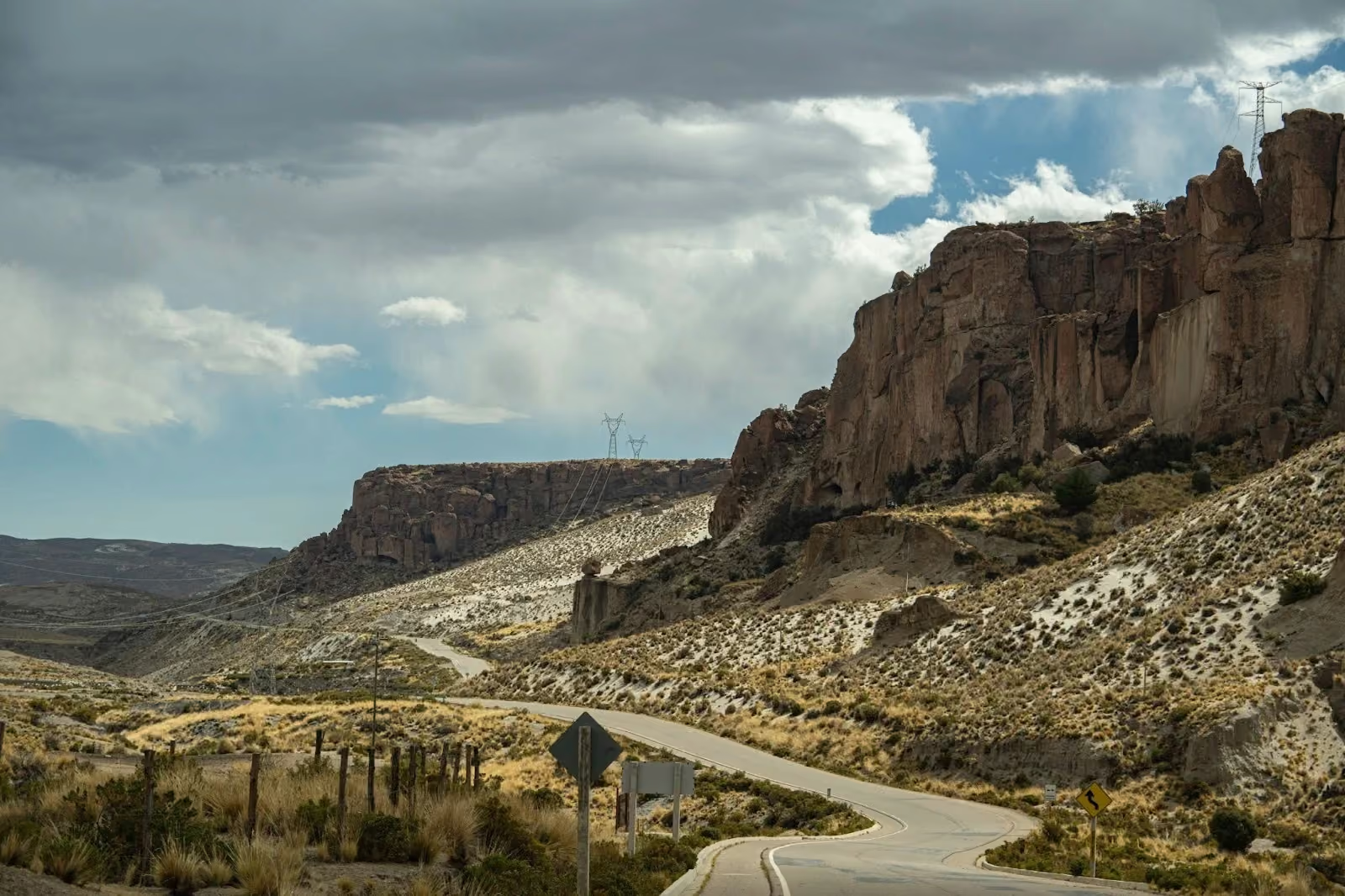
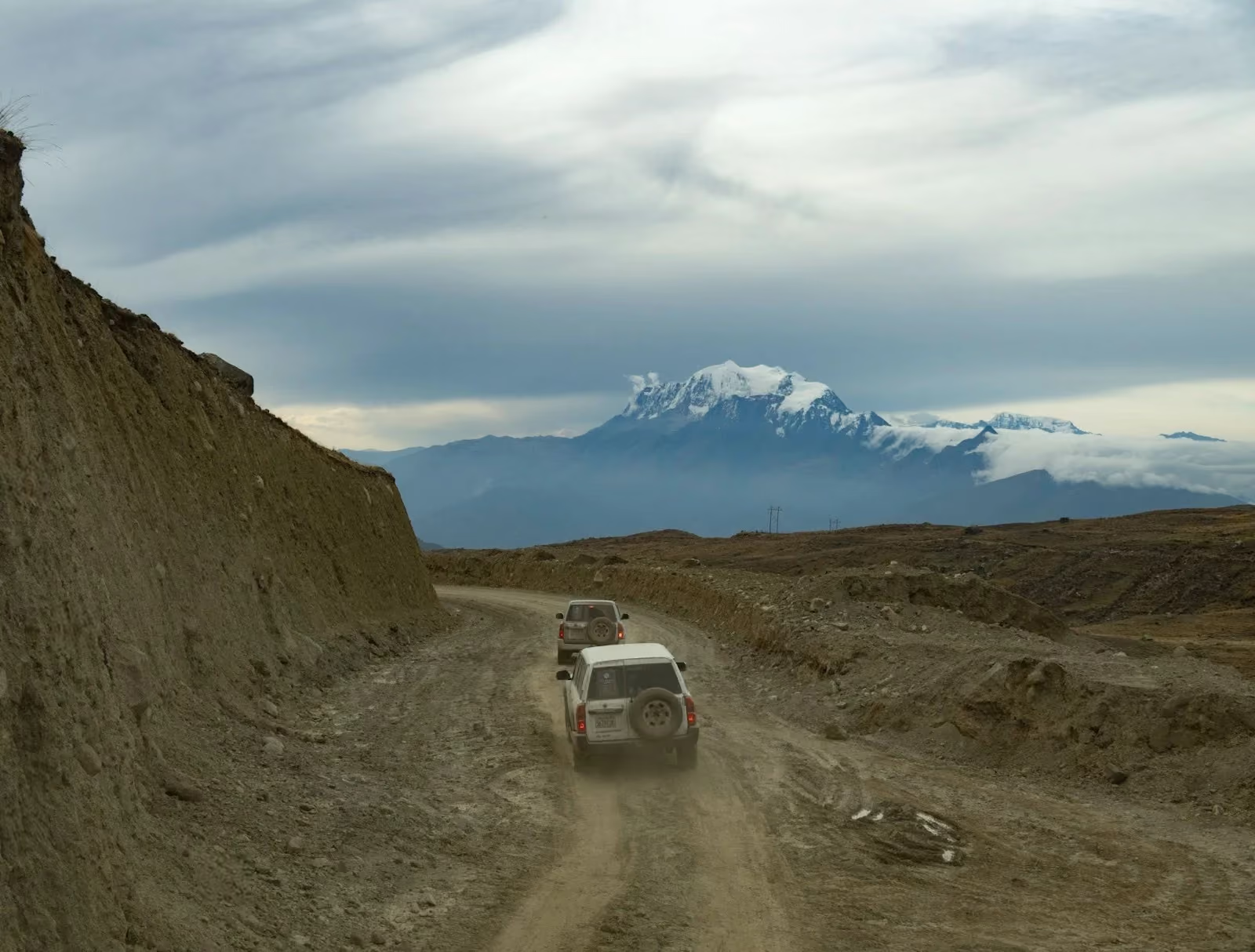
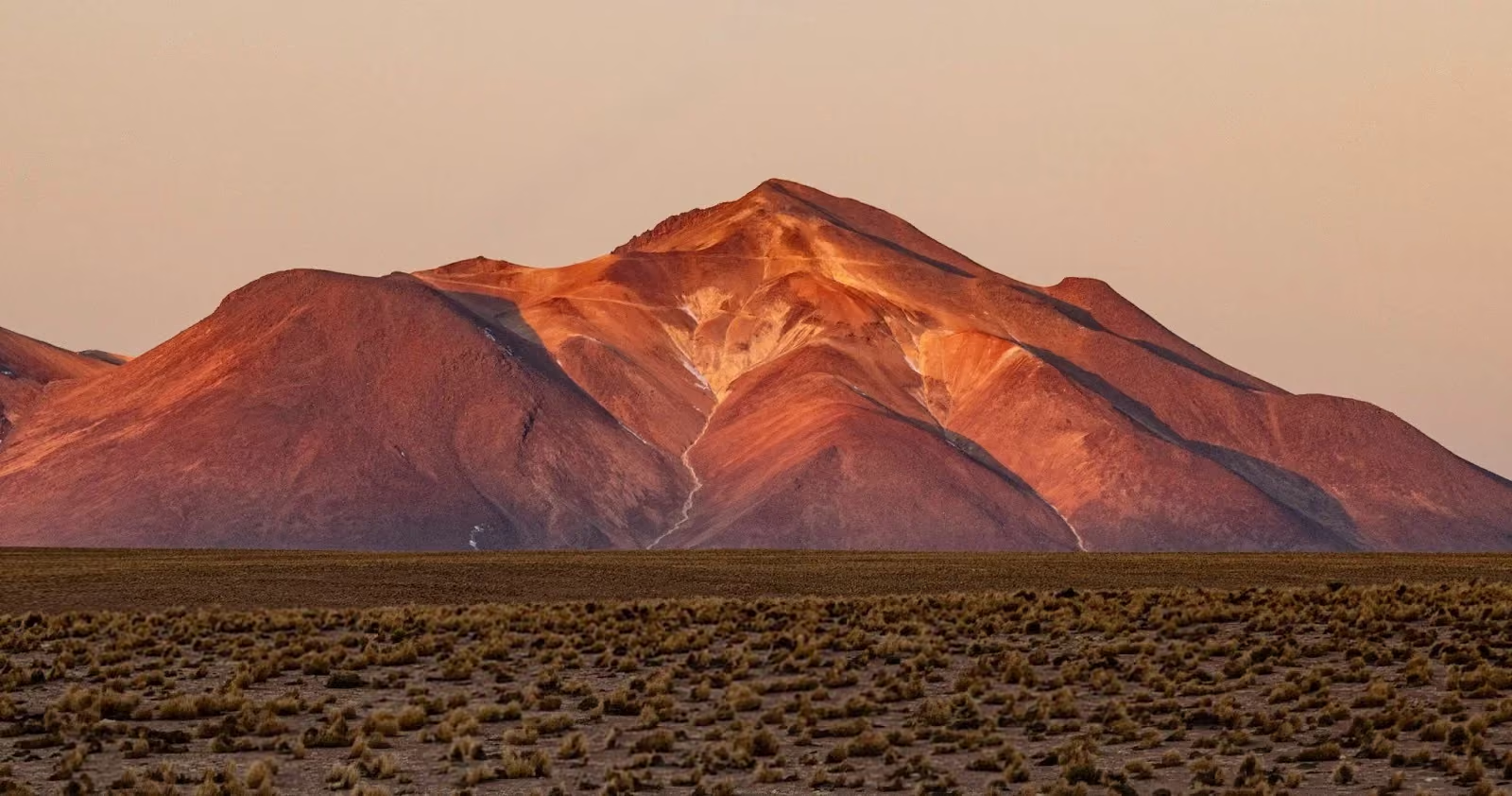
Leaving the salt flats, we headed north towards La Paz, driving on the most challenging dirt and gravel roads of our journey, as we passed through the towering peaks of the Andes. Plunging drop-offs, hairpin turns, and rocky outcroppings commanded our full attention. Terri took a firm tone with me. “Don’t you dare look around, keep your eyes on the road.” There was no argument from me. I was beyond focused, frequently shifting down and coasting to avoid burning out the brakes. We would crest at the highest point on the journey, 5,127 meters, where the air was comfortably crisp. Mother Earth had given us a free ticket to slip under her skin and into the beating heart of the majestic Andes. I couldn’t help but feel like a tiny speck in the grand scale of our universe.
At the end of the day, we would be camping in a farmer’s field. Terri and I were apprehensive about what this might mean. I was worried about freezing; she was worried about creepy crawlies. As we crested the hill towards the field, a beautiful sight lay before us. A sea of yellow and orange tents, a table and chairs draped in white, surrounded by twinkling lights, and a staff waiting to serve dispelled our concerns. This would be our final night dining together under the stars, with a feeling of utter gratification for what we had shared. The following day, once we reached La Paz, everyone would go their separate ways.
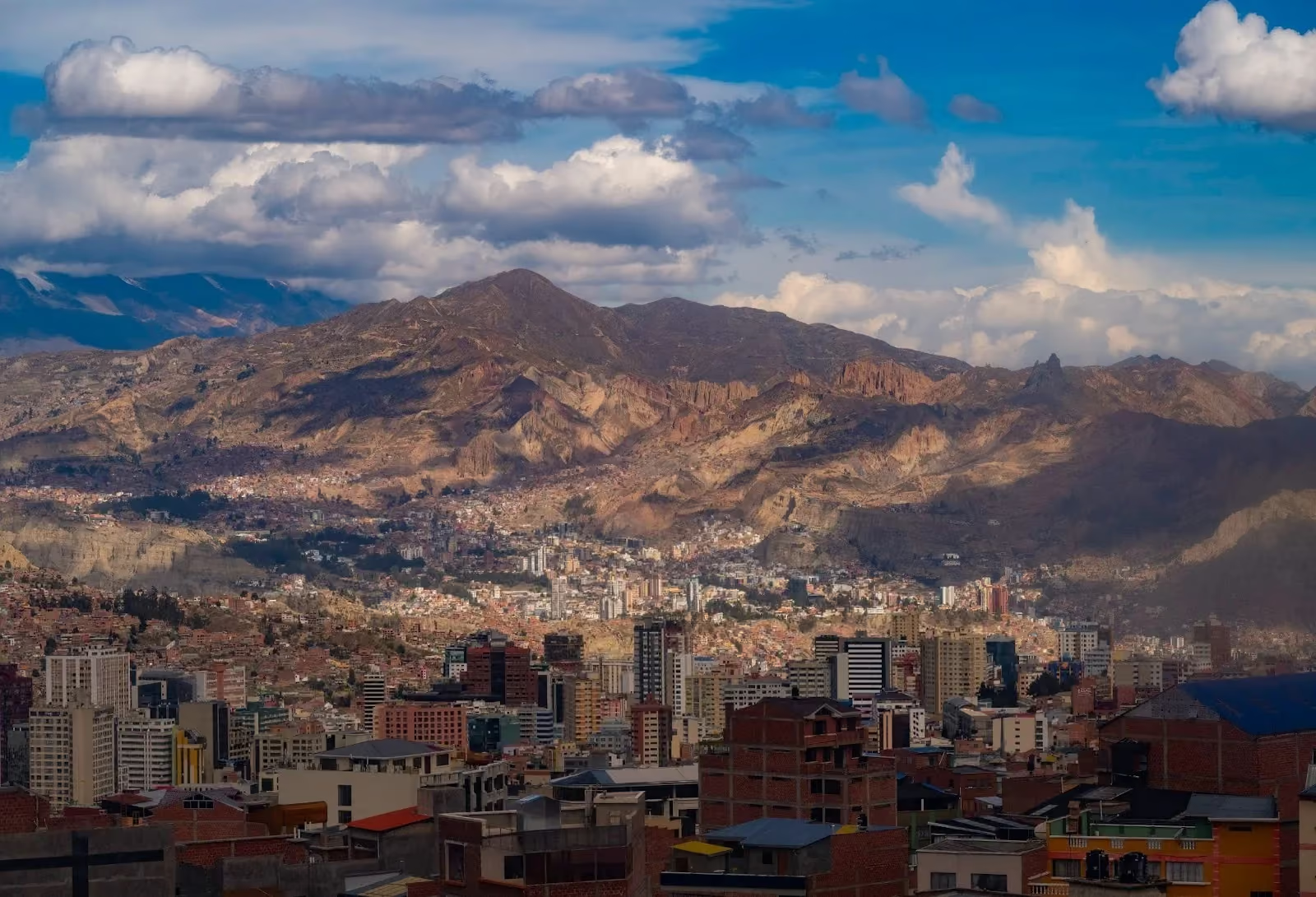
It would take us roughly six hours to transition from gravel to tarmac before reaching chaotic La Paz, Bolivia’s administrative capital. Our spirited band of warriors had driven 2,160 km (1,466 miles) over the course of twelve days. This had been an adventure at its best, not measured in the distance we had covered, but in our ability to get into the heart and soul of Bolivia and her people. In a word, the expedition was “unboliviable”.
Back home, fresh memories of the journey are playing like a broken record in my mind. I have returned with the gift of new friends that I might follow to the ends of the earth, and a newfound appreciation for how easy my life is compared to what I witnessed in Bolivia. The sadness is still present in my home, but not as pronounced. The way forward will be seeking more out-of-the-ordinary, challenging adventures to carry me over the hump.
RELATED STORIES
What Will Travel Look Like in 2026? Predictions From the Road
Why More Women Are Choosing Adventure Travel And Why It’s Here to Stay